“Plant Families” are mentioned quite a bit in the gardening world. It refers to a group of vegetables that share many of the same care, growth, pest/disease and nutrient need characteristics. If you know how to care for broccoli, you stand a pretty good chance at growing the rest of the brassica family too – such as cauliflower, cabbage, kohlrabi and brussels sprouts. Please allow me to introduce you to the common families you will host in your gardens!
Who belongs in what family?

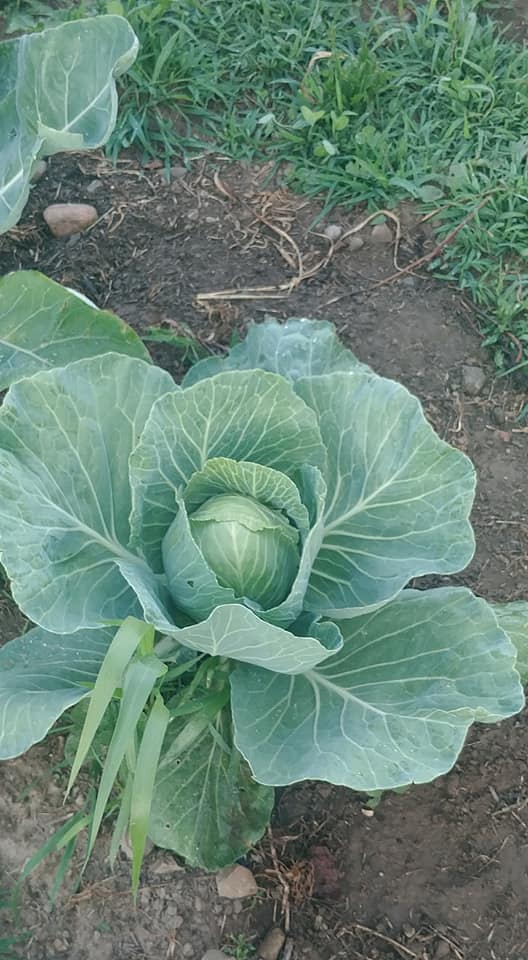
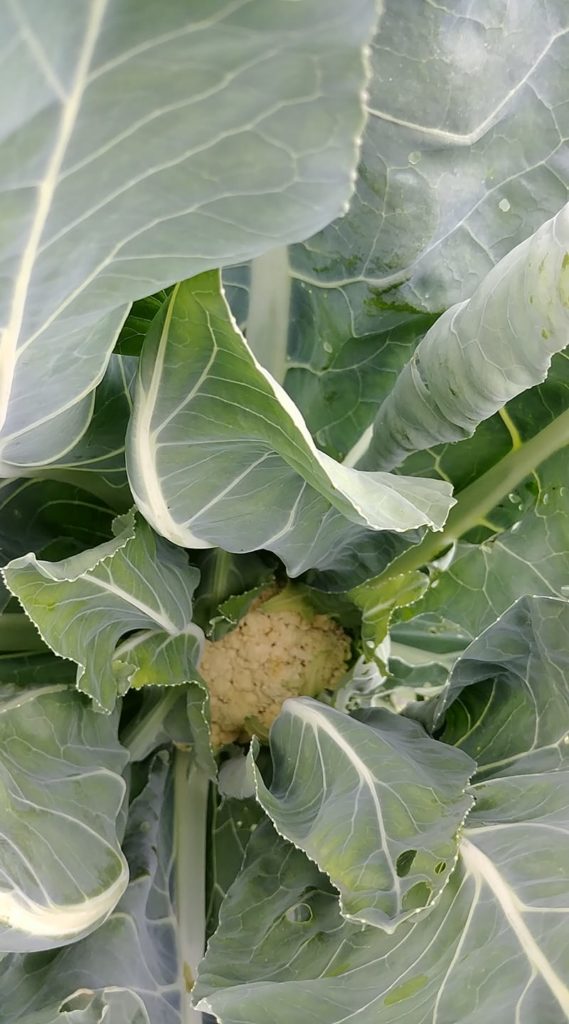
Brassicaceae
Also called crucifers, brassicas, or cole crops. This family includes cabbages, radishes, mustard greens, turnips, rutabega, arugula, broccoli, kale, brussels sprouts, kohlrabi.
These plants are started indoors and placed outside in March/April for a spring harvest, or started in June for a mid-July planting (for a fall harvest). They are a cool weather crop and don’t tolerate heat. For fall harvests, allowing these plants to withstand a light frost can enhance the sweetness of their flavor.
Brassicas don’t tolerate acidic soil, prefer lots of organic matter, and are shallow rooted.
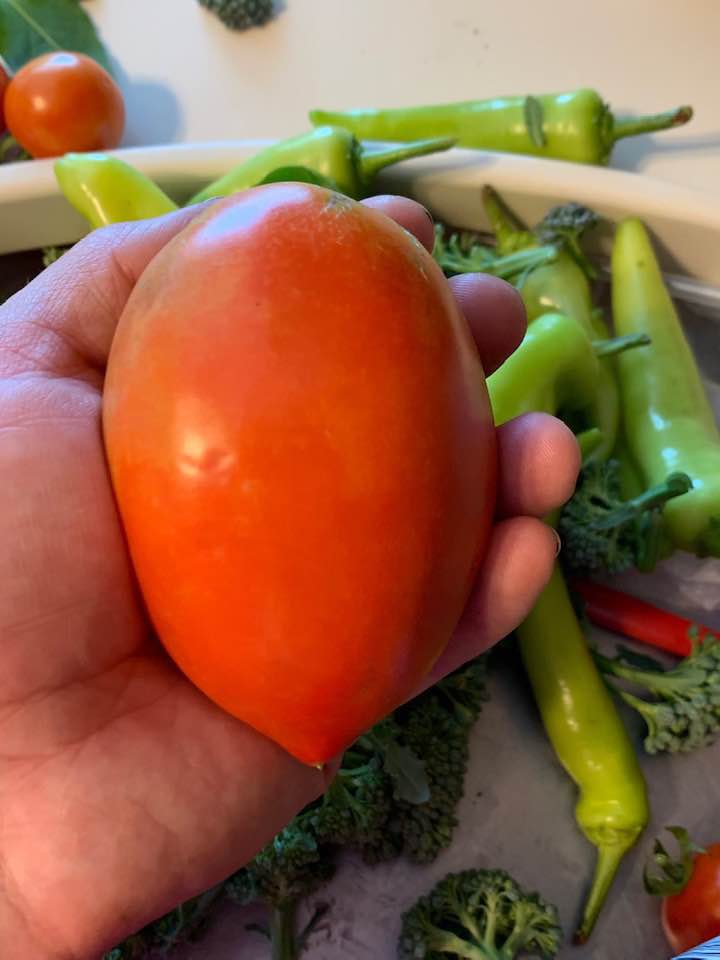
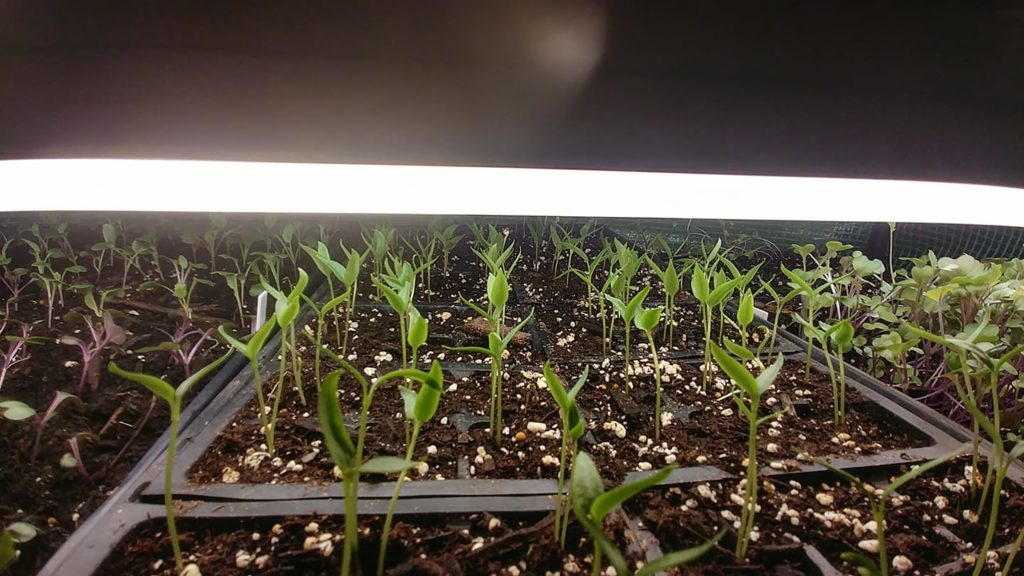
Solanaceae
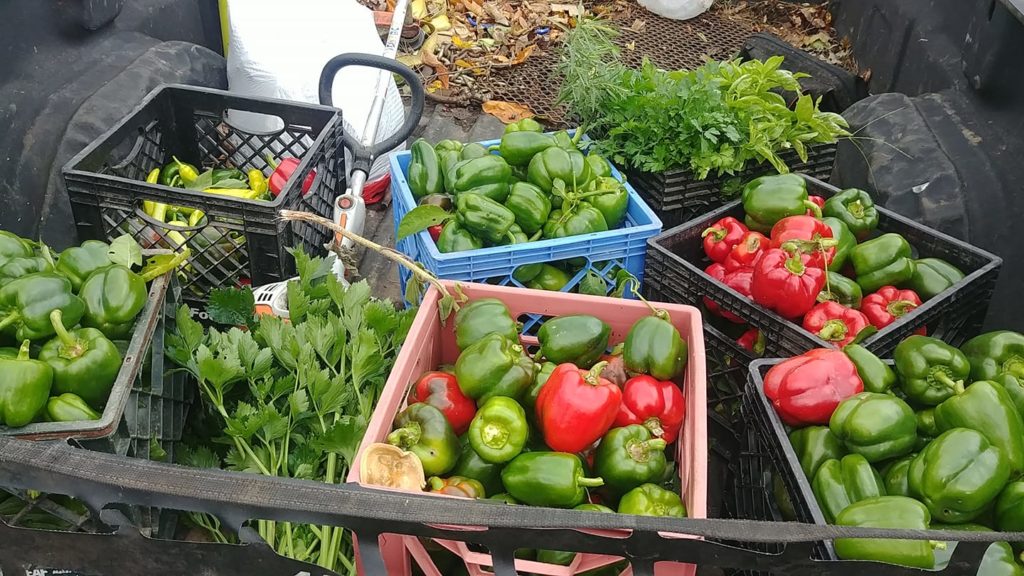
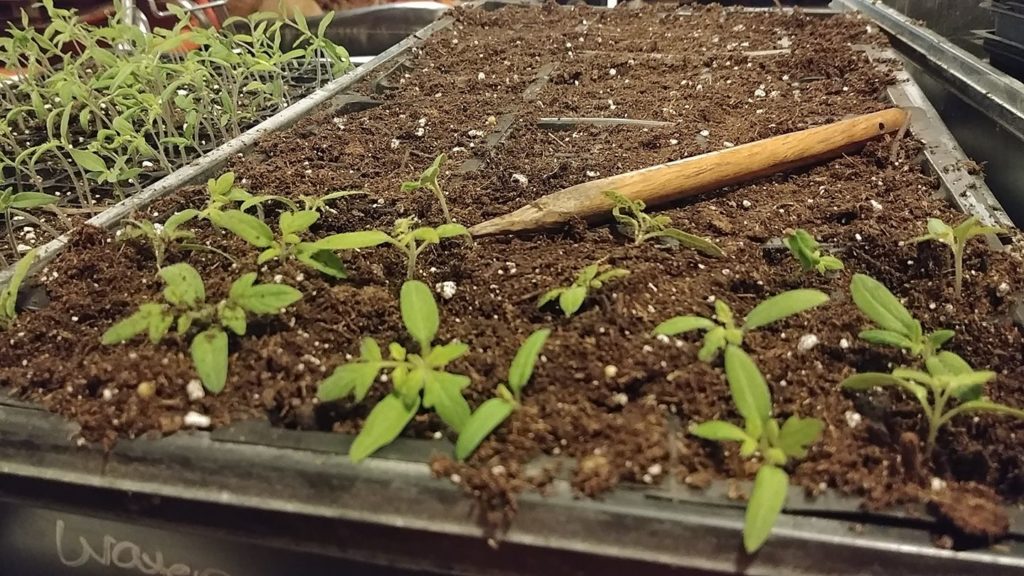
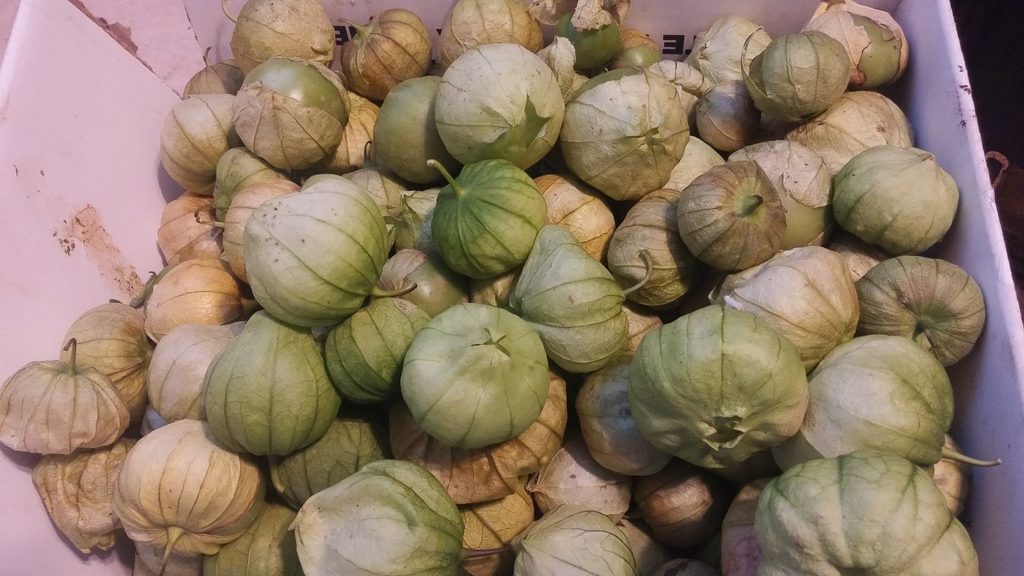
Also called nightshades. This family includes tomatoes, tomatilloes, eggplants, peppers, and white & red potatoes.
These plants are warm weather plants and should be started indoors and transplanted out after danger of frost has passed, with the exception of potatoes because they are planted underground early in the season.
Nightshades prefer lots of organic matter in their soil, and prefer the soil be kept damp. They can tolerate warm weather as long as they are kept watered, and they do best watered at ground level vs. from the top (as with a sprinkler). All of these plants have medium to deep roots.
Potatoes are kind of an odd plant in this family when you consider that we eat the tuber of that plant vs. the fruit of the rest, and the potato can be planted in the ground much earlier than the others. So why is it included in this family? All of the plants produce a compound called solanine.
Interesting to note, sweet potatoes are not a part of this family.
Fabaceae
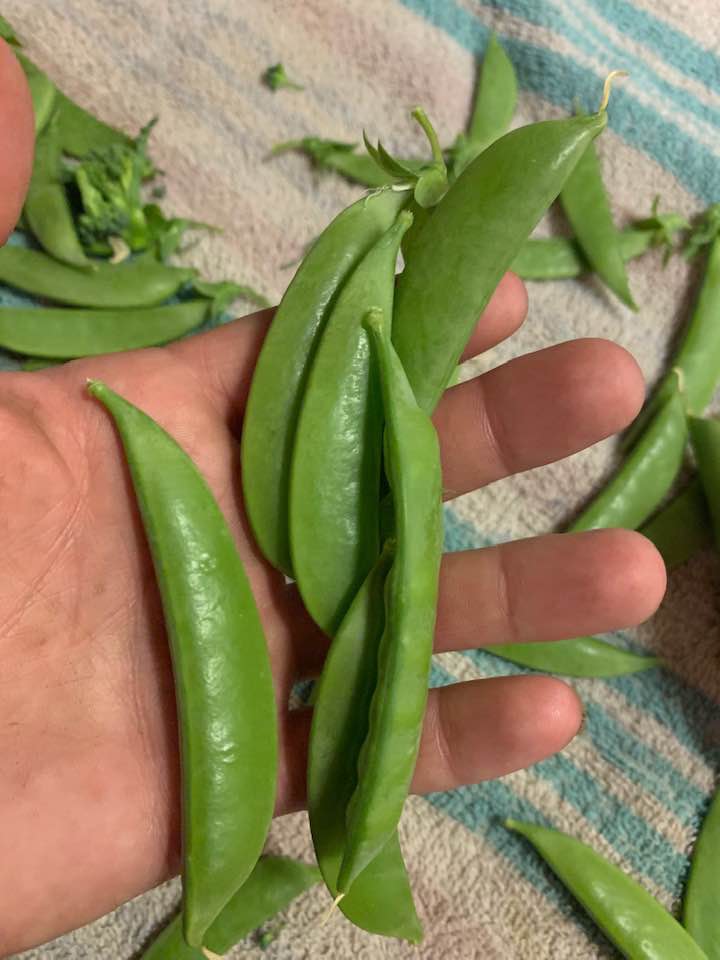
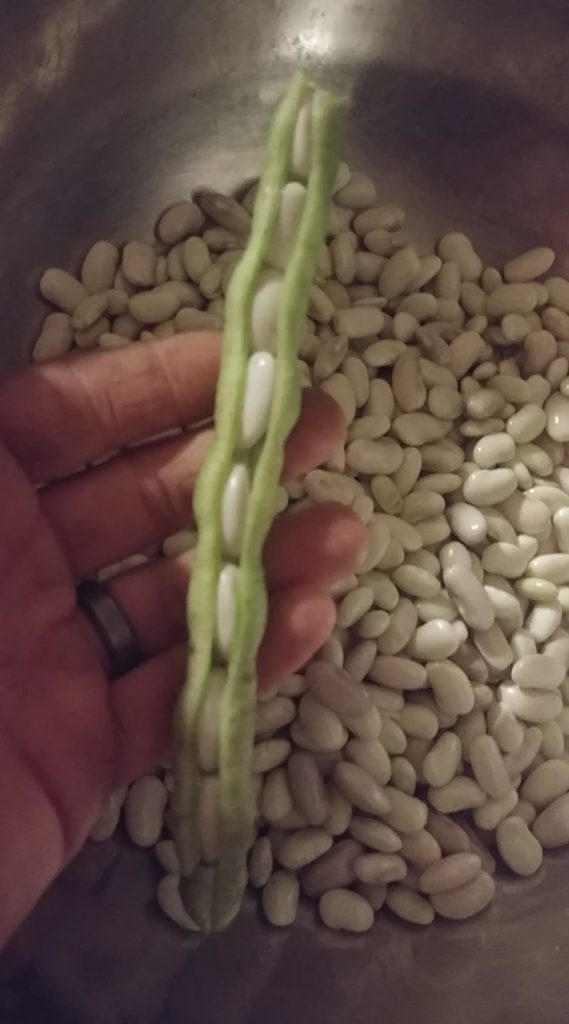
Also called legumes. This family includes peas, beans, peanuts.
Some fun information about this family: Beans are available as bush beans (they stay small and require no trellis or support), or pole/runner beans, which spread by vine and love to climb trellises. Green beans are eaten whole, in the pod, which contain immature seeds. Some green beans that are eaten fresh will have a tough strong that needs to be removed prior to consuming or canning, thus known as “string beans.” You can find “green beans” in colors such as green, yellow (wax) and even purple. some varieties are preferred because they are ‘stringless.’ Beans left to dry in the pod are commonly called soup beans. These are mature seeds that are removed from the pod already dry, and ready to be soaked and cooked. This includes beans such as kidney beans, black beans, pinto, canellini, and much more. Beans are direct sown in the soil after all danger of frost has passed.
Common peas grown are snow/snap peas and garden/shell peas. The snow or snap peas are eaten in the pod, before the peas mature. Garden or shell peas are grown until the peas are noticeable (but not too big or they taste horrible) and then the pod is removed from the peas. Peas can tolerate cool weather and are often planted out early – about six weeks before the last frost.
Legumes fix nitrogen in the soil, converting atmospheric nitrogen into a form that can be used by plants. This is helpful for returning nitrogen to the soil after a heavy nitrogen feeder was previously planted in the same spot, such as corn. They both prefer less organic matter in the soil, don’t require much nitrogen, and have medium-depth roots. Fun fact: Transplants reduces the nitrogen fixing ability, so direct sow whenever possible. Luckily these grow great as direct sown seeds.
Cucurbitaceae
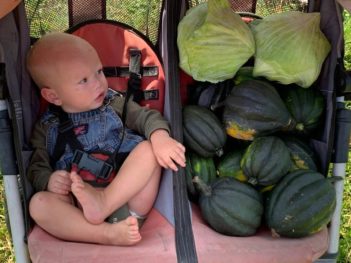
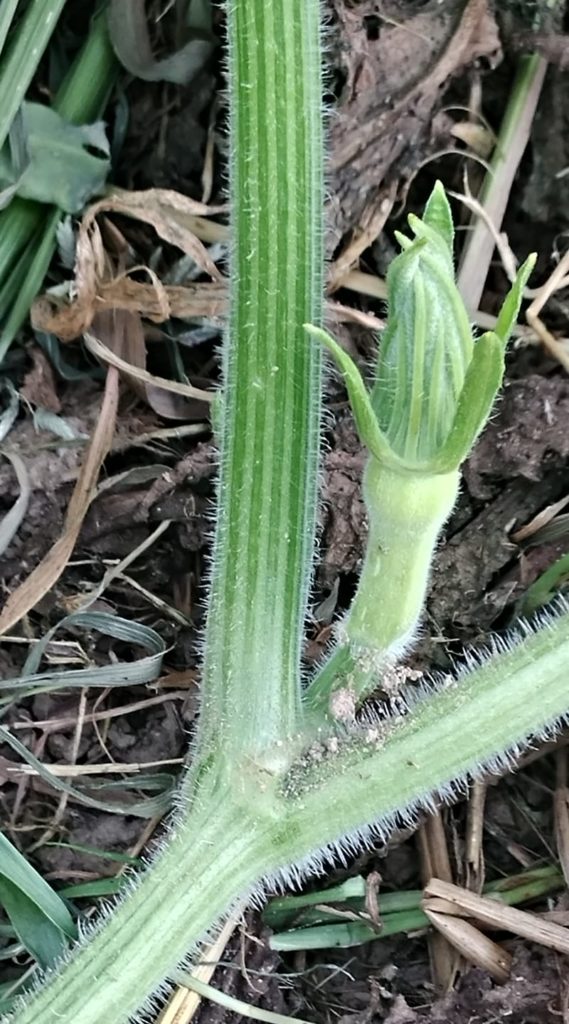
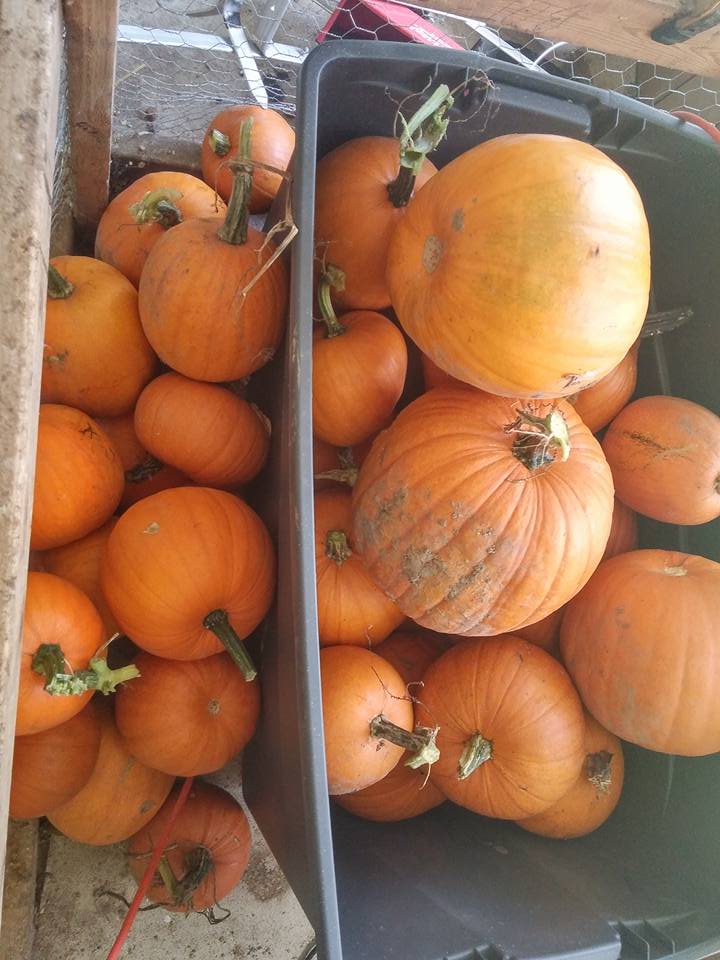
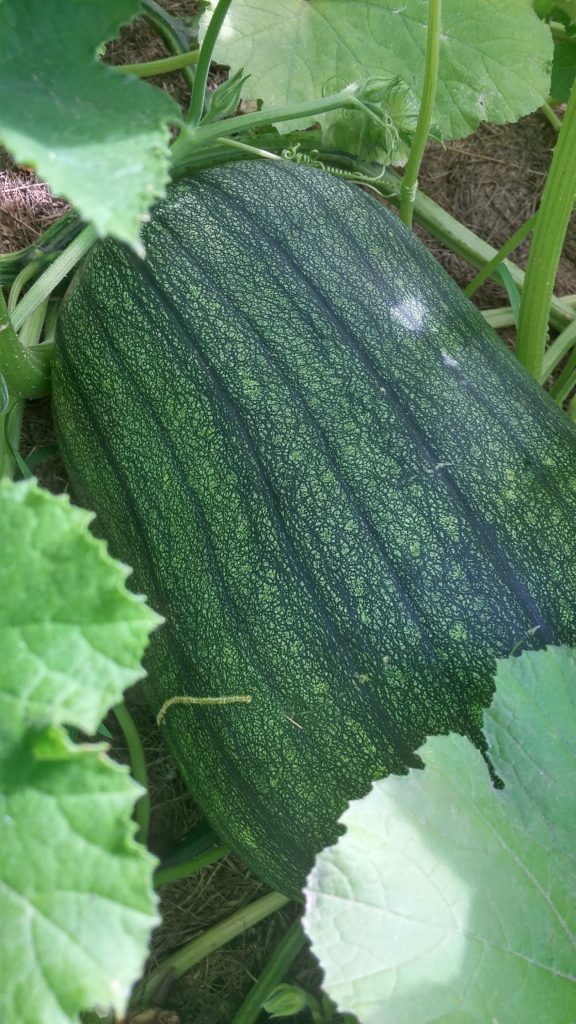
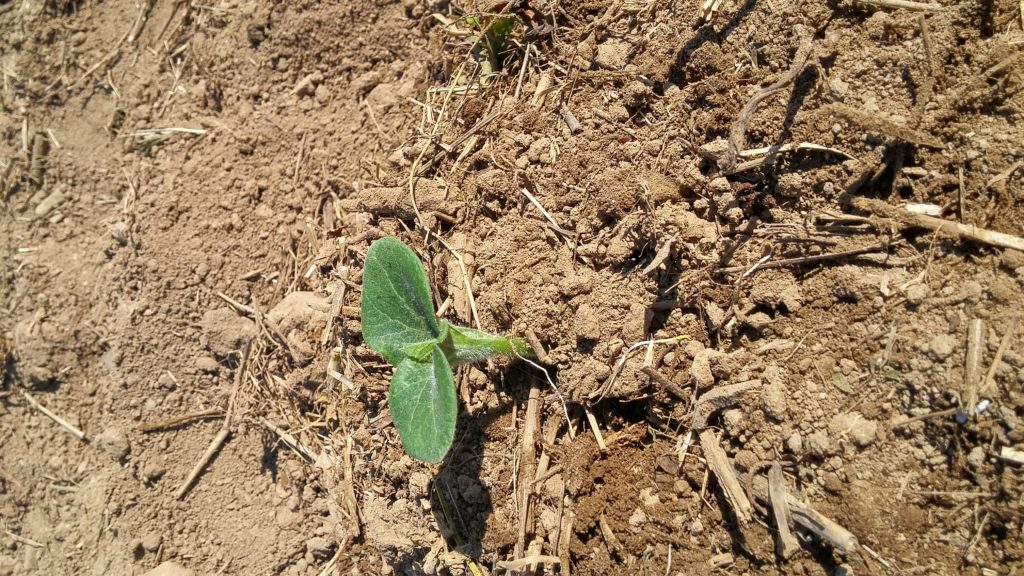
Also called cucurbits or the gourd family. This family includes cucumbers, watermelon and melons, pumpkins and other winter squash as well as zucchini and summer squash.
These plants are all warm weather plants that can be started indoors a few weeks before the last frost then transplanted after the danger of frost has passed, or they can be direct sown right in the soil once the soil warms. These all prefer warm soil, so planting as soon as that last frost date has passed is not recommended – I typically direct sow in June once the soil has had some warm temperatures to heat it up. Of course, a tarp can also help hurry the soil warmth, also.
Cucurbits are vining plants, so they will require a lot of room in your garden unless you can trellis the vines. Pumpkins and winter squashes will take all season to grow, while zucchini and summer squash are ready sooner. They prefer a lot of organic matter in their soil, and they have medium to deep roots. One common downfall of most of these family members is they are susceptible to mildews and blights, as well as squash bugs.
Apiaceae
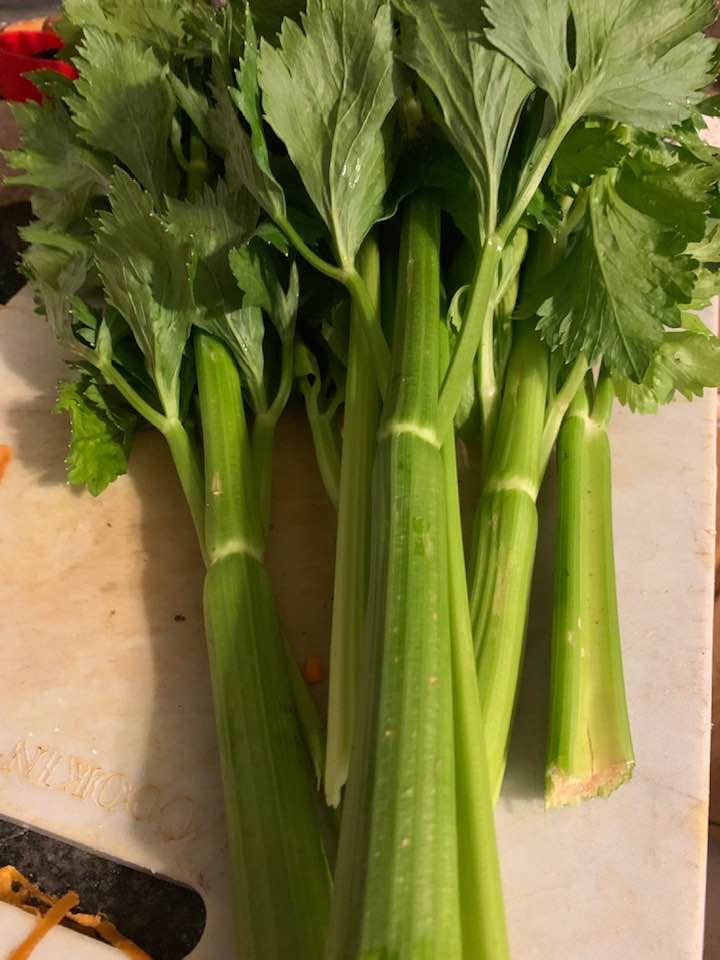
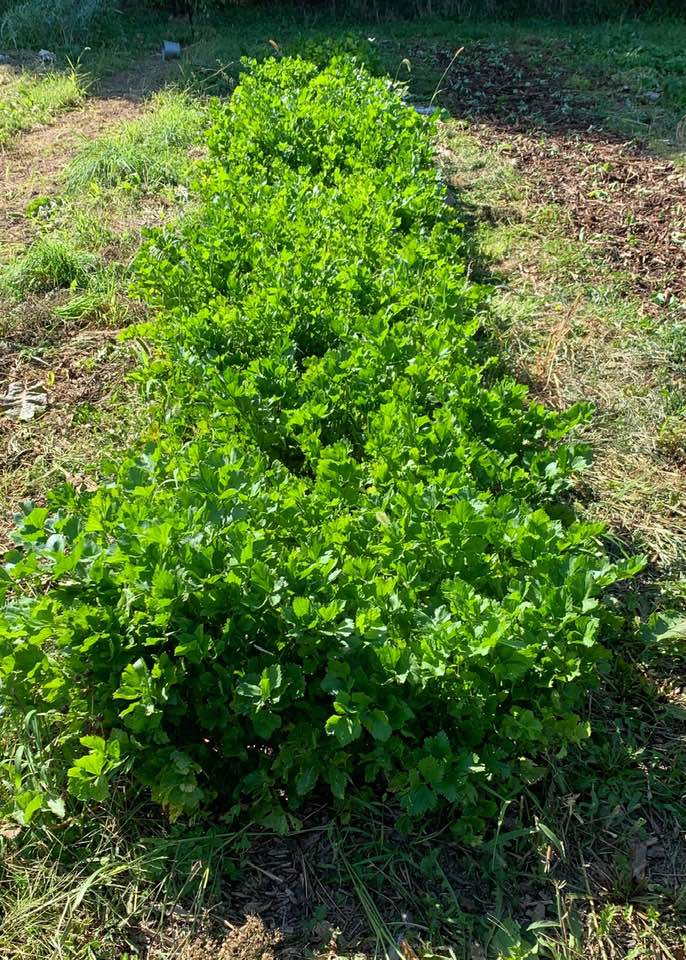
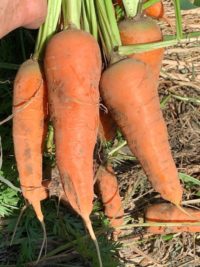
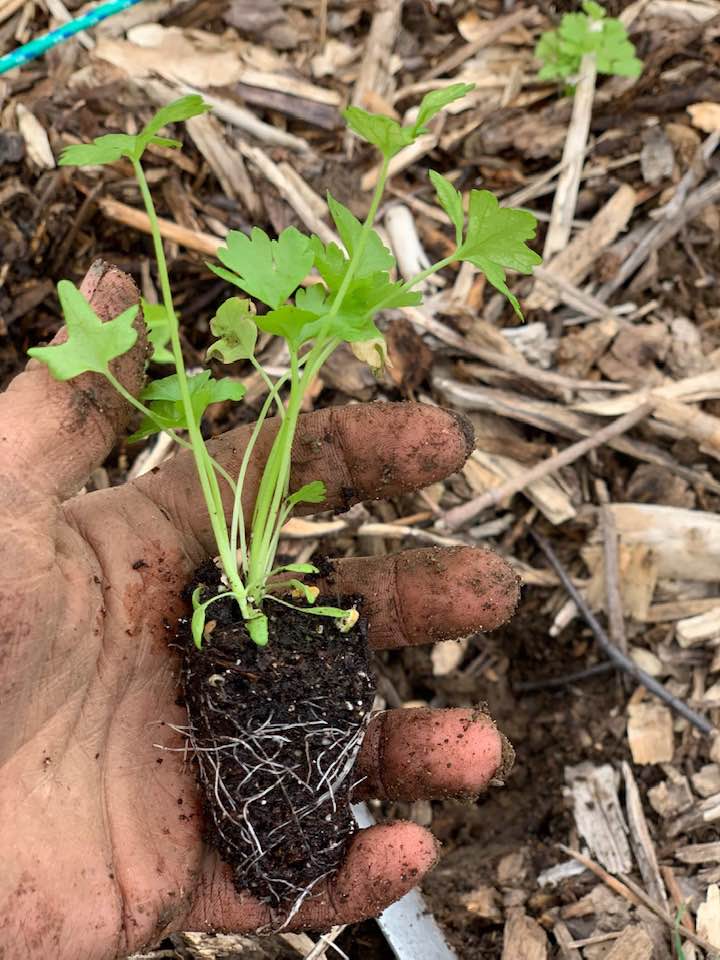
Also known as the carrot family. This includes carrots, parsley, coriander, fennel, parsnip and celery.
These plants are cool season crops and prefer regular watering. They grow best in sandy or loamy soil without too much organic matter. The soil must drain well.
One important fact about these plants is that they are very slow to germinate. Carrots should always be direct sown, which makes getting them to germinate before the weeds take over quite difficult! You can tarp their beds until they sprout, just be sure they have enough water. Their root depths are all over the place, carrots being a medium depth, celery and parsley being shallow, and parsnip is deep.
Other Families:
Alliaceae
Also known as the onion family. This includes onions, garlic, leek, scallion and chive.
This family prefers cool weather if you are harvesting leaves, but bulb formation requires hot, dry weather. They have very shallow roots and grow best in loamy soils, free of weeds and watered well.
Poaceae
Also known as grasses/grains. This includes corn, along with wheat and sugar cane. This family is a heavy nitrogen feeder and requires lots of organic matter or fertilizer. You need to plant in blocks vs. long rows to help ensure pollination.
Chenopodiaceae
Also known as the goosefoot family. This includes beets, chard and spinach. This is a cool weather family often planted out before the last frost. They have medium to deep roots which help break up the soil and also recycle nutrients well. They grow best in soil that drains well and has a high amount of well rotted compost or organic matter.
Lamiaceae
Also known as the mint family. This includes mints, basils, rosemary, thyme, oregano and sage.
Some of these members, such as oregano and sage are perennials, so be sure you are happy with the placement in your garden. These are pretty drought tolerant and handle poor soils well.
Asteraceae
Also known as the sunflower or aster family. This includes lettuce, artichokes, and sunflowers.
This family is fast growing, shallow-rooted plants that grow best in loamy soils. They prefer lots of organic matter and often have very few pests.